Best Mulch Types for Every Garden
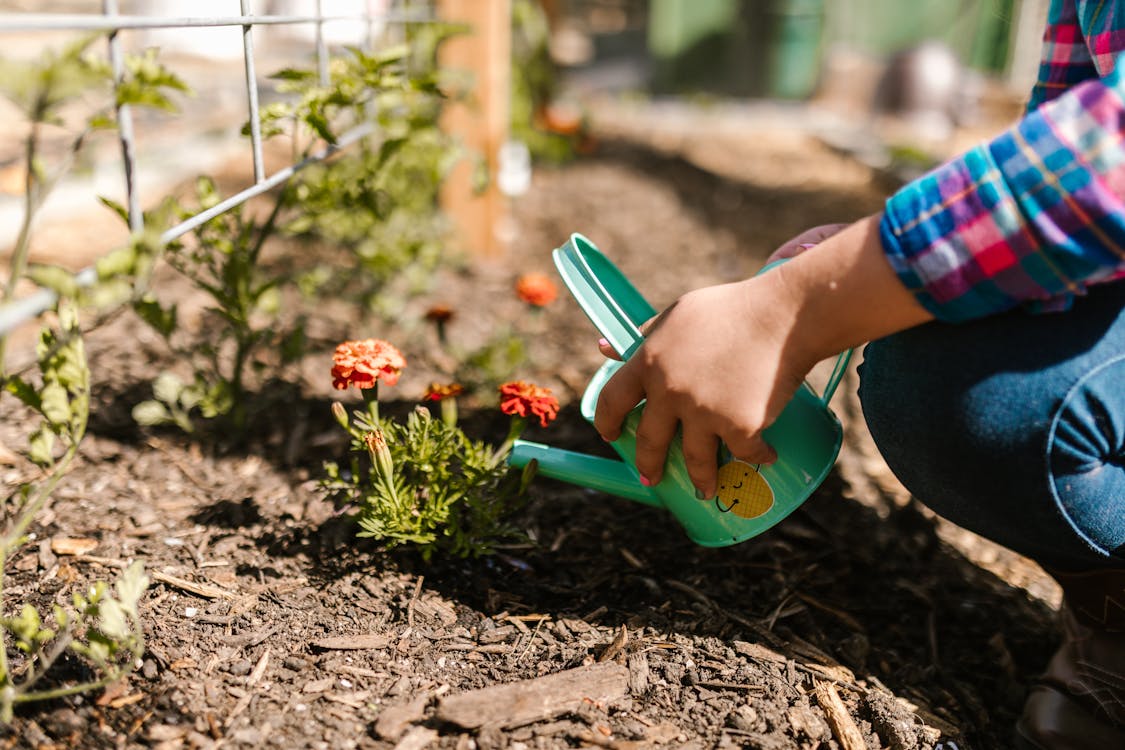
Mulch is greater than simply an ending up touch for your yard. It plays an important role in plant health and wellness, soil quality, water retention, and even weed control. Yet, with many mulch choices offered, picking the appropriate one can feel frustrating. Organic, inorganic, colored, all-natural, bark, straw-- the checklist takes place. Yet do not fret. By the end of this guide, you'll know exactly which type of compost ideal fits your yard and your goals.
Why Mulch Matters More Than You Think
Mulch does greater than look cool and clean. It helps maintain the dirt cool throughout summer season and warm during winter season, making plant roots happier year-round. It keeps dampness in the ground, meaning you water much less. And perhaps most significantly, mulch can avoid pesky weeds from taking over your yard beds.
On a much deeper level, natural composts like bark or straw decay in time, feeding your dirt with abundant nutrients. Inorganic composts, such as crushed rock or rubber, don't disintegrate, however they offer long-lasting coverage and attractive allure. Picking the best one relies on your garden's requirements and your personal upkeep style.
Organic vs. Inorganic Mulch: What's the Real Difference?
Organic mulches are made from all-natural products such as shredded bark, straw, wood chips, garden compost, or leaves. They break down progressively, improving dirt structure and fertility. These composts are optimal if you intend to boost your dirt normally gradually.
Inorganic mulches, on the other hand, consist of materials like rocks, gravel, landscape fabric, and rubber. They don't contribute to the soil's nutrient content yet are highly sturdy and low-maintenance. If you're working with landscape blocks or making a room with organized pathways and specified sides, not natural compost can deliver a tidy, expert finish.
Matching Mulch to Your Garden's Purpose
Prior to choosing compost, ask on your own: What does my yard need the most? Are you expanding vegetables, keeping blossom beds, or building a drought-tolerant landscape?
For veggie gardens, straw or garden compost is excellent. These break down quickly and enrich the dirt, supporting nutrient-hungry plants. Just see to it the straw is weed-free.
In flower beds, shredded bark or wood mulch is a favored. It holds moisture well and adds a sleek look. Over time, it boosts the soil while maintaining weeds away.
For high-traffic or ornamental locations, consider crushed rock or decorative stone. These set wonderfully with retaining wall stone attributes and offer lasting visual appeal without regular substitute.
Mulch Color and Texture: It's More Than Just Looks
Shade and texture could look like a second thought, but they matter greater than you think. Dark mulches, like black or brownish bark, tend to maintain heat, which can be excellent for spring and loss planting. Lighter composts mirror heat and are much better matched for hot climates or fragile plants.
Appearance also influences efficiency. Great mulches break down faster and might call for even more frequent replacement. Rugged composts, like bark nuggets or huge wood chips, last longer and allow much better water circulation.
If your backyard includes specified structures like landscape blocks, collaborating mulch color with hardscape products can raise your yard's total aesthetic consistency.
Sustainability: Mulch Choices That Matter
More garden enthusiasts today are picking compost alternatives that are not simply effective, but environmentally friendly. Utilizing regional, recycled materials like shredded leaves, lawn cuttings, and even tree bark helps in reducing waste and motivates lasting gardening.
Lots of people likewise integrate yard waste recycling into their mulching method. Composting yard, leaves, and plant trimmings offers you a rich, all-natural mulch source right in your own yard. It conserves cash and profits garden by-products.
If you don't compost yourself, seek out compost made from recycled backyard products-- simply make sure it's clean, devoid of chemicals, and well-aged.
When and How to Apply Mulch Like a Pro
Timing is whatever. Apply mulch in early springtime after the dirt has warmed up, or in fall to shield plant origins before winter season. Applying too early in springtime can trap cold air in the soil, postponing growth.
Aim for a deepness of 2 to 4 inches. Insufficient won't obstruct weeds or preserve wetness, and excessive can suffocate origins. Keep mulch a few inches far from plant stems and tree trunks to avoid rot.
Freshen organic compost once or twice a year to maintain its performance. Inorganic composts need less maintenance but might need periodic cleaning or topping off.
If your yard includes retaining wall stone balconies or sloped areas, be tactical in your application. Use larger mulch types that will not quickly wash away, and take into consideration bordering to keep compost in place.
Adding Extra Warmth and Use: Consider Firewood and Mulch Together
As you intend your outside space, do not neglect the practical side of mulching and backyard care. Several garden enthusiasts who make use of look at this website mulch to shield and enhance their landscapes also gain from having firewood to buy nearby. Whether for yard fire pits, cozy evenings on the patio, or wintertime heating, firewood enhances the rustic charm of a well-mulched backyard.
Using mulch in fire pit locations can soften the ground and define seating areas. Simply be cautious regarding the range from open flames-- security initially. Maintaining a neat and deliberate layout with stone or landscape blocks can assist divide fire wood storage areas from the remainder of your yard.
Compost is Just the Beginning
Choosing the ideal compost isn't a one-size-fits-all choice. It's about comprehending your yard's one-of-a-kind needs, from soil health and wellness and environment to make goals and personal practices. Whether you're enhancing soil for veggies, pairing textures with retaining wall stone, or utilizing yard waste recycling to produce a much more lasting landscape, the ideal compost establishes the stage for success.
And as your yard expands, your compost method can advance also. Keep interested, remain innovative, and keep tuning in for more ideas to maintain your outside areas prospering. Do not fail to remember to inspect back commonly-- we're constantly updating with fresh ideas and inspiration for yard enthusiasts like you.